

How to Make Better Use of Unused Spaces Around Your Home How to Make Better Use of Unused Spaces Around Your Home
Every home has areas that receive little attention. An empty corner, an unused hallway, a narrow space beneath the stairs, or a neglected backyard can easily become a place for clutter. These areas may seem too small or awkward to serve a purpose, but thoughtful planning can turn them into practical parts of the home. Making better use of unused spaces does not always require major renovations or expensive furniture. Sometimes, a few changes in layout, storage, or lighting are enough to make a noticeable difference. By identifying household needs and understanding the available space, homeowners can create a more organized, comfortable, and functional living environment.
Identifying Underused Areas
The first step is to look carefully at the home and identify spaces that are not serving a clear purpose. Walk through each room and consider which areas remain empty, collect unnecessary items, or make daily activities less convenient. Look beyond the main living areas. Entryways, balconies, spare rooms, laundry areas, and spaces beneath staircases can offer useful opportunities. It also helps to understand why a particular area remains unused. A dark corner may feel uninviting, while a narrow hallway may seem difficult to furnish. Recognizing these limitations makes it easier to choose an appropriate solution. Before purchasing anything, consider how the household uses the space. A family that needs more storage may benefit from shelves or cabinets, while someone working from home might prefer a compact desk. Starting with actual needs prevents unnecessary spending and helps every improvement serve a practical purpose.
Creating Functional Storage Solutions
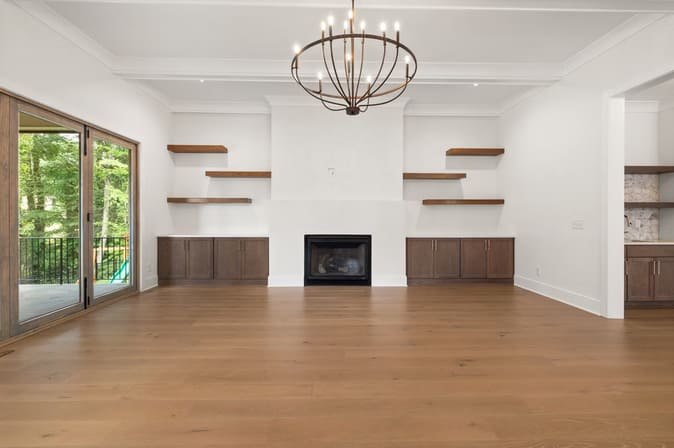
Unused spaces can become valuable storage areas when furniture and organizers are chosen carefully. The key is to increase storage without making rooms feel crowded. Vertical shelving, wall-mounted hooks, storage benches, and slim cabinets can help homeowners use available space more effectively. The area beneath a staircase is a good example. Depending on its dimensions, it can accommodate built-in drawers, closed cabinets, or shelves for books and household supplies. Similarly, the space above a washing machine may hold cabinets for cleaning products, provided they are installed safely and kept away from moisture where necessary. Storage should also support everyday routines. Frequently used items belong in accessible locations, while seasonal decorations and rarely needed belongings can be placed higher or farther away. Closed storage works well for items that create visual clutter. Open shelving is useful when belongings are arranged neatly and remain easy to reach.
Designing Comfortable Multiuse Areas
Some unused spaces can serve more than one purpose. A spare bedroom, for instance, might function as a guest room and a home office. A wide landing could accommodate a small reading chair, while a quiet corner of the living room might become a study area. Furniture selection is important when creating these flexible spaces. Folding desks, nesting tables, storage ottomans, and sofa beds provide useful functions without taking up unnecessary room. Choosing pieces that match the scale of the area also helps preserve comfortable movement. Lighting and seating can make small areas more inviting. A desk needs sufficient task lighting, while a reading corner benefits from comfortable seating and a nearby lamp. Before arranging furniture, measure the available floor area and check doorways, walkways, and access points. A well-designed space should improve daily living rather than introduce new obstacles.
Improving Outdoor Living Spaces
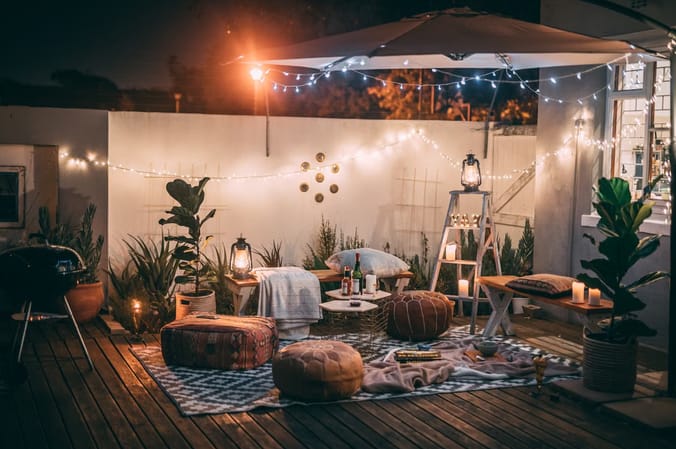
Outdoor areas often contain unused potential. A small balcony, narrow side yard, or empty patio can become a pleasant place to relax, grow plants, or enjoy meals. The right design depends on the available space, local weather, and the amount of maintenance the household can manage. For compact balconies, folding chairs and narrow planters can provide comfort without blocking movement. In larger yards, homeowners might create a shaded seating area or establish a small garden for herbs and vegetables. Vertical planters are another option when ground space is limited. Drainage, sunlight, and weather protection should guide outdoor improvements. Furniture must suit local conditions, and plants should match the amount of light available. Keeping paths clear and choosing durable materials can make these areas easier to maintain. Even modest changes can make outdoor spaces more useful throughout the year.
Enhancing Light and Visual Space
An unused area may remain neglected because it feels dark, cramped, or disconnected from the rest of the home. Improving its appearance can encourage regular use. Good lighting, suitable colors, and thoughtful placement of furniture can help the area feel more welcoming. Mirrors may create a greater sense of openness by reflecting light, while light-colored finishes can make compact spaces appear brighter. However, these choices should complement the home’s existing design rather than compete with it. A consistent color palette can help newly arranged areas blend naturally with surrounding rooms. Lighting should match the intended activity. Wall lights can brighten narrow hallways, while adjustable lamps work well for desks and reading areas. Where possible, keep windows unobstructed to allow natural light into the home. Small visual improvements can make an overlooked corner feel like an intentional part of the overall design.
Making use of unused spaces is most effective when the results remain practical over time. Avoid filling every empty area simply because it is available. Leaving enough open space helps maintain comfortable movement and prevents the home from feeling crowded. Set a realistic budget before starting. Simple shelving, rearranged furniture, and improved lighting may solve a problem without requiring construction. Larger projects involving electrical work, structural changes, or built-in installations may require qualified professionals and appropriate permits. Review each area after using it for a few weeks. If items are difficult to access or the layout interferes with daily routines, make adjustments. A useful space should save time, support household activities, and remain easy to maintain. With careful planning, homeowners can transform neglected areas into practical extensions of their living space.…